


Web Designing
What is web designing.?
Web designing is the process of creating the visual layout, user interface (UI), and overall aesthetic of websites and web applications. It involves various aspects that ensure a website is visually appealing, user-friendly, and functional. Here are some key components of web designing:
1] Layout: This refers to the arrangement of visual elements on a webpage, including headers, footers, navigation menus, content areas, and sidebars. A well-structured layout helps guide the user's eye through the content and makes the site easier to navigate.
2] Color Scheme: Choosing a color palette that reflects the brand and is visually appealing is crucial. The colors should enhance readability and create a cohesive look throughout the site.
3] Typography: The selection of fonts and how text is arranged plays a significant role in the site's readability and aesthetic appeal. Consistency in font usage and appropriate size and spacing are important for a professional look.
4] Graphics and Images: The use of images, icons, and other graphical elements helps to convey messages, enhance visual appeal, and engage users. These elements should be optimized for web use to ensure fast loading times.
5] Navigation: Designing intuitive and straightforward navigation menus and links helps users find the information they need quickly and easily. Good navigation design improves the overall user experience.
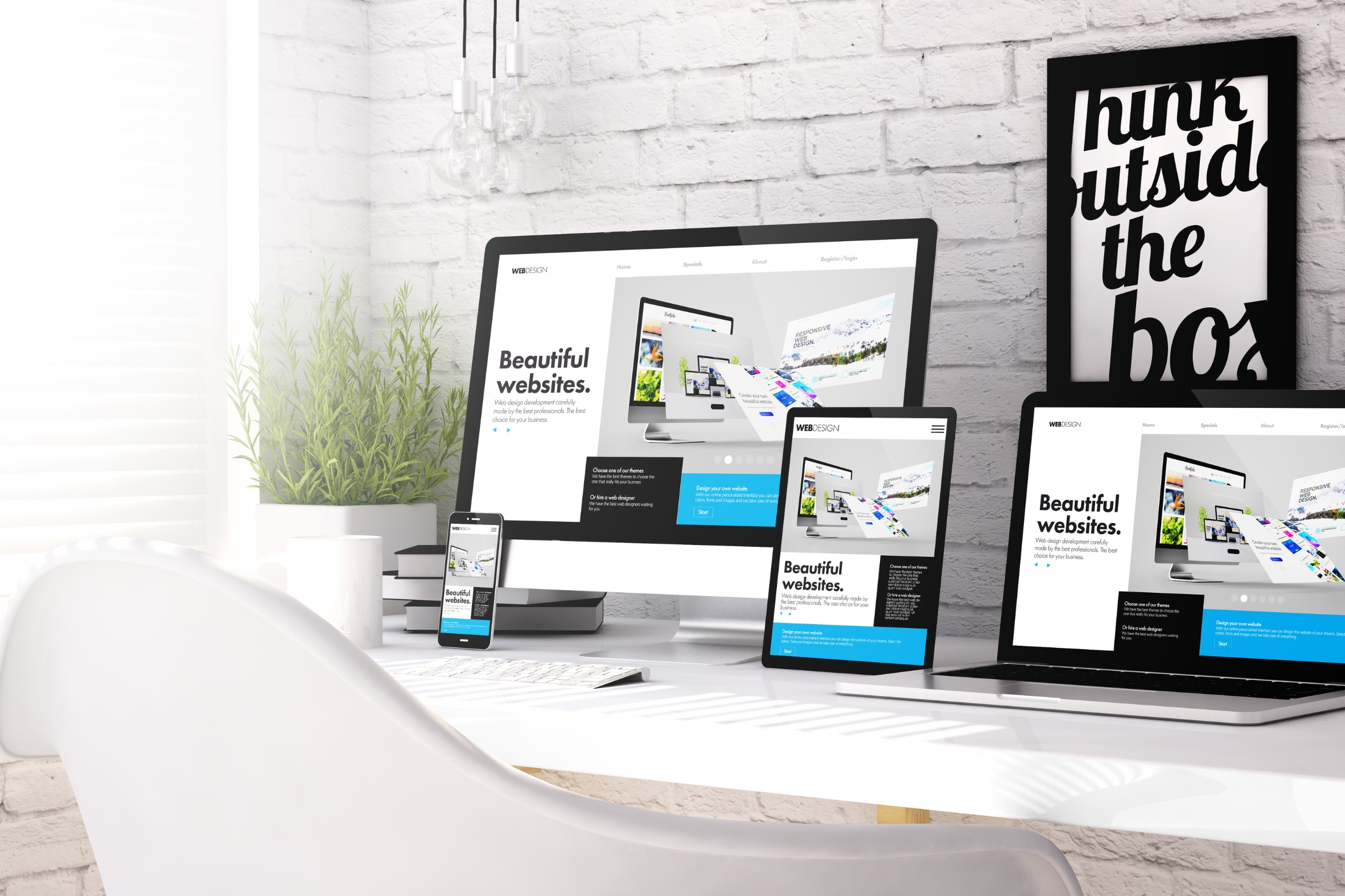
6] Responsive Design: Ensuring that the website looks and functions well on a variety of devices, including desktops, tablets, and smartphones, is essential. Responsive design adapts the layout and elements to fit different screen sizes.
7] User Experience (UX): Web designing is closely tied to UX design, which focuses on optimizing the overall experience for users. This includes ensuring the site is easy to use, loads quickly, and meets the needs and expectations of its audience.
8] Accessibility: Making sure the website is accessible to all users, including those with disabilities, is an important aspect of web design. This involves using proper HTML tags, alt texts for images, and ensuring the site can be navigated using a keyboard.
9] Content: Organizing and presenting content in a clear, engaging way is a fundamental part of web design. This includes text, images, videos, and other multimedia elements.
10] Interactivity: Adding interactive elements such as forms, buttons, sliders, and animations can enhance user engagement and make the site more dynamic.